


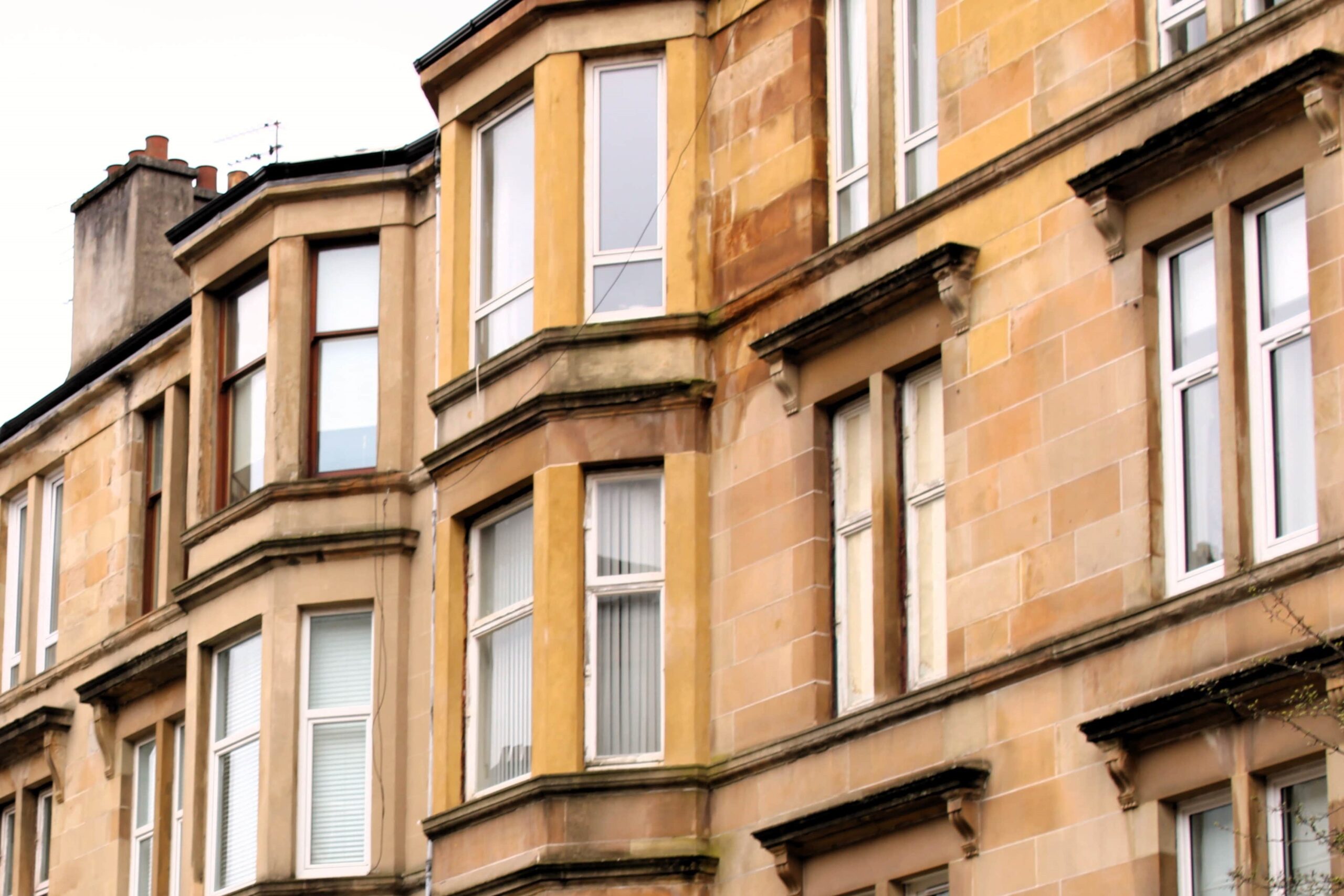
Solar in Tenements & Flats: What’s Actually Possible in Scotland?
If you live in a tenement or flat in Scotland, you’ve probably wondered whether solar panels are an option — especially when you see them popping up on houses everywhere else.
Short answer: sometimes.
Long answer: it’s complicated — and that’s not anyone being awkward, it’s just how shared buildings work.
Let’s go through what’s realistic, what isn’t, and where people usually get misled.
The Big Issue: You Don’t Own the Roof (On Your Own)
In most tenements and blocks of flats:
- The roof is shared
- Decisions affect multiple owners
- Nothing happens without agreement
That’s the main barrier — not technology, not Scottish weather, not solar performance.
Solar on flats is a legal and organisational challenge first, and a technical one second.
Option 1: Whole-Building (Communal) Solar
This is the most realistic route for many flats.
How it works
- Solar panels are installed on the shared roof
- Electricity is used for communal areas (lighting, lifts, stairwells)
- Or shared between flats via a managed setup
Where it works best
- Social housing
- Housing associations
- Blocks with a factor or clear management
The upside
- Reduces communal electricity costs
- Benefits the building as a whole
- Easier to justify and manage
The downside
- Individual flats don’t get full control
- Savings are indirect
Still, it’s one of the few setups that actually works in practice.
Option 2: One Flat, One Solar System (Rare, But Not Impossible)
This is what most people hope for — but it’s tricky.
To install solar just for your flat, you usually need:
- Legal permission to use roof space
- Written agreement from other owners
- A clear way to route cabling
In most traditional tenements, this is:
- Hard to organise
- Slow to agree
- Often blocked by one objection
It’s not impossible — just uncommon.
Option 3: Top-Floor Flats (Best Chance)
If solar is going to work for an individual flat, it’s usually:
- A top-floor flat
- With loft access
- With clear roof sections
Even then, permissions still matter — but practicality improves.
Ground-floor flats, unfortunately, are at the back of the queue.
What About Batteries?
Batteries don’t fix the ownership problem.
They:
- Store electricity
- Don’t create roof rights
- Don’t bypass permissions
If solar’s difficult in a flat, adding a battery doesn’t suddenly make it easy.
Listed Buildings & Conservation Areas (Extra Layers)
Many tenements sit in:
- Conservation areas
- Listed zones
That adds:
- Planning considerations
- Visual restrictions
- Longer timelines
Solar may still be possible — but subtle placement and careful design matter a lot more.
Common Myths Worth Clearing Up
❌ “I can just stick panels on my bit of the roof”
→ Not without permission.
❌ “Everyone will automatically benefit”
→ Only if the system is designed that way.
❌ “Solar’s pointless for flats”
→ Not pointless — just limited and context-specific.
When Solar Does Make Sense for Flats
Solar in flats works best when:
- The building is managed collectively
- The goal is reducing communal costs
- Expectations are realistic
- The system is designed for the whole block
Trying to force a house-style solar setup onto a tenement usually ends in frustration.
When It Probably Doesn’t
Solar is often not worth pursuing if:
- Ownership is fragmented
- No factor or decision structure exists
- Roof access is disputed
- The building needs major roof work anyway
In those cases, the energy is better spent elsewhere.
The Bottom Line
Solar in Scottish tenements and flats is possible, but it’s rarely simple.
It’s less about panels and more about:
- Ownership
- Agreement
- Management
- Long-term planning
When those line up, solar can help.
When they don’t, no amount of optimism will fix it.
And pretending otherwise just wastes everyone’s time.
👉 Not Sure What’s Realistic for Your Building?
Flats and tenements need proper answers, not generic advice meant for houses.
If you want to understand what might be possible for your building — and what isn’t worth chasing — comparing realistic options is the fastest way to get clarity.
See your solar options and compare setups — straight answers, no nonsense.