


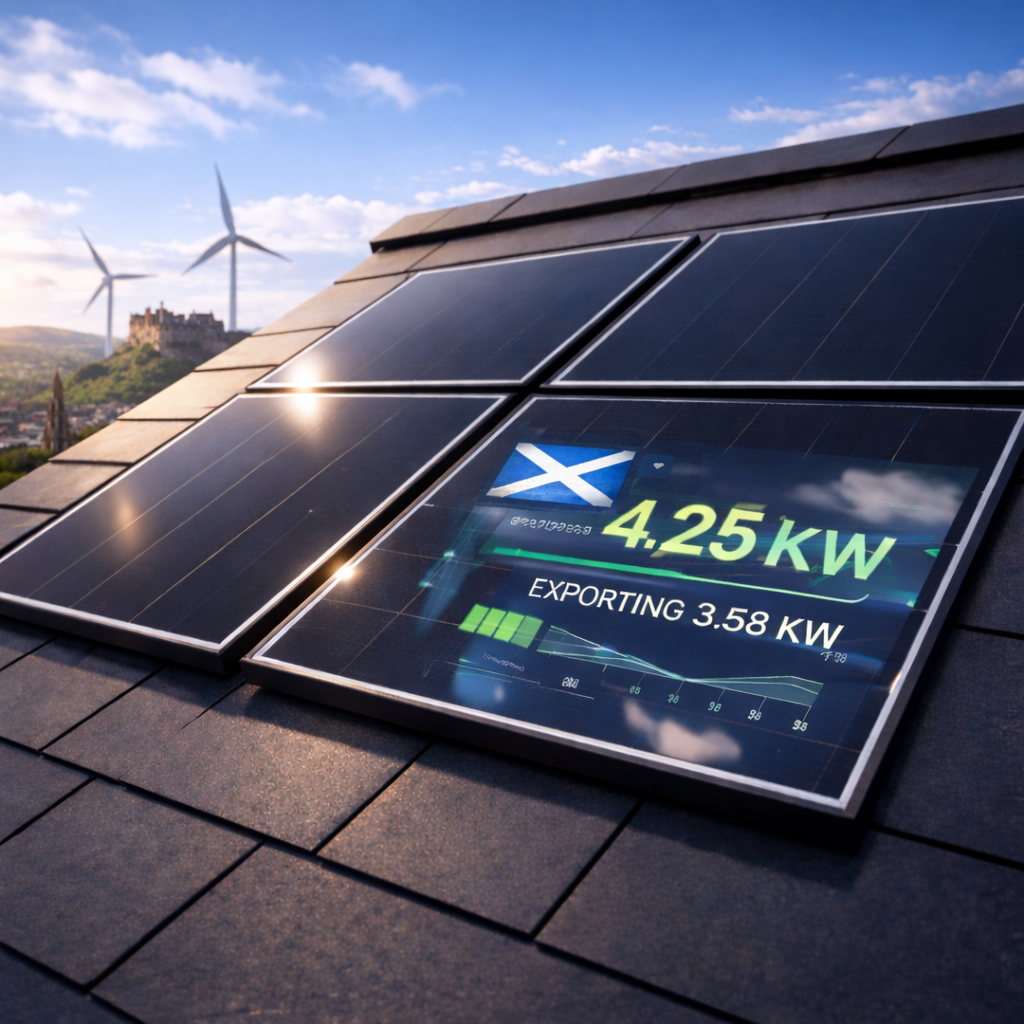
Harnessing Solar Energy: A Practical Guide for Housing Associations
Solar energy isn’t a shiny new idea anymore — it’s a tool. And like any tool, it’s only useful if it’s applied properly, for the right reasons, and in the right places.
For housing associations across Scotland, solar isn’t about chasing headlines or ticking boxes. It’s about reducing long-term costs, supporting tenants, and future-proofing housing stock without overpromising or underdelivering.
Let’s look at it plainly.
Why Solar Makes Sense for Housing Associations
Energy costs don’t just affect balance sheets — they affect tenants’ lives. Rising bills put pressure on households and increase the risk of fuel poverty.
Solar can help by:
- Lowering communal electricity costs
- Reducing exposure to volatile energy prices
- Supporting wider decarbonisation goals
It won’t solve everything overnight, but it can take a meaningful bit of pressure off — quietly and consistently.
The Financial Reality (No Fairy Tales)
Solar installations require upfront investment. There’s no getting round that.
However, for housing associations, the value often sits in:
- Long-term operational savings
- Predictable energy costs over decades
- Improved EPC ratings and asset value
The key is looking at solar as infrastructure, not a short-term cost-saving trick.
Done properly, it earns its keep over time.
Funding, Incentives, and Support
Support for housing associations is more complex than domestic schemes — and it’s important not to blur the lines.
Depending on the project, options may include:
- Government-backed funding streams
- Local authority or community energy programmes
- Partnerships with energy providers or delivery partners
What matters most is structuring projects realistically — with clear expectations and robust financial modelling.
There’s support available, but it’s not automatic, and it’s rarely simple.
Implementation: Where Projects Succeed or Fail
The difference between a good solar project and a disappointing one usually comes down to planning.
Successful schemes typically involve:
- Proper energy assessments of buildings
- Clear communication with residents
- Phased rollouts rather than all-at-once installs
- Experienced installers who understand social housing
Residents don’t need a sales pitch — they need reassurance, clarity, and systems that just work.
Engaging Residents (Without the Hard Sell)
Tenant engagement is often where projects stall.
The most effective approach is:
- Explain benefits honestly
- Set realistic expectations
- Be clear about disruption and timelines
When residents understand why solar is being installed — and how it affects them day to day — buy-in follows naturally.
No jargon. No overselling.
Challenges to Consider
Solar isn’t suitable for every building.
Common challenges include:
- Older roofs or structural constraints
- Planning considerations
- Varying building orientations and shading
- Managing expectations around savings
These aren’t deal-breakers — but they do need addressed early, not brushed aside.
The Bigger Picture
For housing associations, solar is rarely about one building. It’s about strategy.
When integrated properly, solar can:
- Support long-term sustainability goals
- Improve housing resilience
- Reduce future retrofit costs
It’s not flashy. It’s not instant.
But it’s a solid, sensible step forward.
The Bottom Line
Solar energy isn’t a silver bullet — but for housing associations willing to approach it carefully, it’s a practical investment with real benefits.
Plan properly. Be honest. Think long term.
That approach tends to work — in energy, and in Scotland generally.
👉 Exploring Solar Options for Housing Stock?
If you’re assessing whether solar makes sense for housing developments or managed properties, comparing approaches and providers early can save time and money later.
Explore solar options and understand what’s realistic — clear, considered, and no nonsense.